Myokines: Hormone-like Molecules, Body Recomposition, and Nutrition
How myokines—hormone-like signaling molecules—regulate metabolism and support body recomposition through training and nutrition.
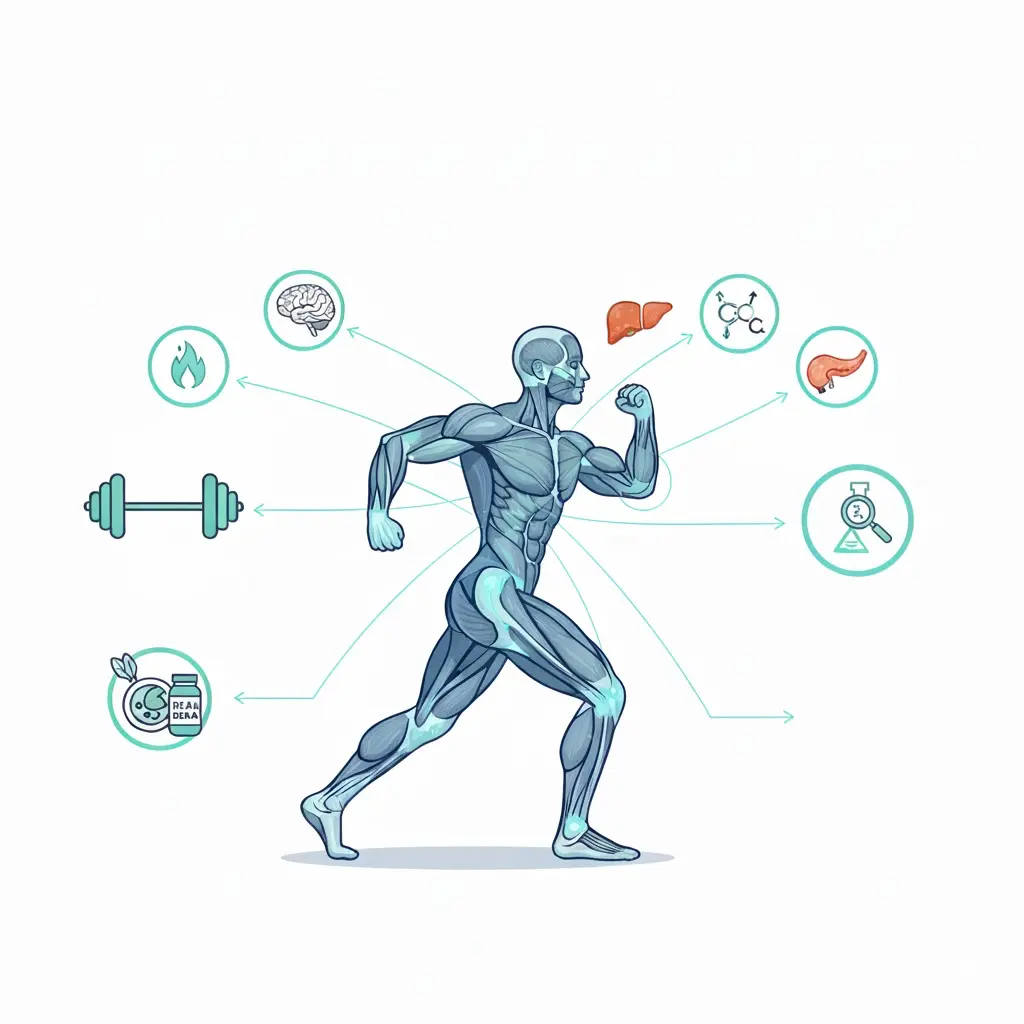
Modern science increasingly views skeletal muscles as an endocrine organ capable of influencing the entire body through signaling molecules—myokines. They act similarly to hormones, linking muscle activity, metabolism, and adaptation to loads, and also affect health and the effectiveness of body recomposition.
🧬 What are Myokines?
Myokines are proteins and signaling molecules that are synthesized and released by muscle cells during contraction during exercise. They enter the bloodstream and act not only locally but also on distant organs: liver, adipose tissue, pancreas, and even the brain. Such inter-organ interaction makes myokines hormone-like mediators of metabolism.
⚙️ How Myokines Work at the Molecular Level
🌀 Inter-organ Communication
At the organism level, myokines act as signaling molecules connecting muscles with other systems. They participate in regulating:
- fat oxidation,
- glucose synthesis and uptake,
- inflammatory processes,
- cellular adaptation to stress.
🔥 Energy Metabolism
Myokines trigger cascades of reactions that enhance energy expenditure and change the balance of fuel substrates (fats vs. carbohydrates). They help the body respond to loads and adapt to conditions of energy deficit or excess.
🧠 Brain Connection
Individual myokines participate in improving insulin sensitivity in the central nervous system and can support cognitive functions, which is important for both brain health and overall metabolism.
🏃 Myokines and Body Recomposition
Body recomposition is the process of simultaneously reducing fat and maintaining (or increasing) muscle mass. Myokines have a direct impact on the key mechanisms involved in this process:
🟢 Muscle Growth and Strength
Latest clinical data confirm that long-term strength training increases the concentration of anabolic myokines such as IGF-1 and reduces the level of inhibiting factors such as myostatin. This is directly reflected in muscle mass growth and strength improvement (PubMed, 2024).
🔥 Lipid Metabolism and Fat Burning
Although the mechanisms are not fully clear yet, meta-analyses show that both aerobic and strength training can change the levels of numerous myokines affecting fat oxidation and overall energy metabolism (PubMed, 2023).
🩹 Inflammation and Metabolic Health
Myokines contribute to reducing chronic inflammation and favor metabolic homeostasis, which is important for weight control and improving body composition.
🍽 Nutrition and Myokine Secretion
Nutrition is not a direct source of myokines, but it indirectly affects their synthesis and effects:
🥩 Protein and Amino Acids
Adequate protein intake, especially branched-chain amino acids (BCAA), provides building material for muscles and supports anabolic processes, stimulating metabolism and improving training response.
🕐 Time-Restricted Eating
Together with physical activity, strategies like time-restricted eating can positively affect body composition (reduce fat mass and preserve muscle mass), which is closely related to the metabolic effects of exercise and signaling pathways, including through myokines (Nature, 2024).
🧪 Key Myokines and Their Functions
Some myokines are especially important for recomposition and metabolism:
- IL-6 — one of the most studied, involved in modulation of inflammation and energy metabolism.
- Irisin — associated with increased metabolic activity of adipose tissue.
- Myostatin — inhibits muscle mass growth; its reduction is associated with anabolic effects of exercise.
🧠 Scientific Trends 2024–2025
Current research emphasizes:
- Strength training significantly changes the myokine profile, promoting improvement of muscle function and body composition (PubMed, 2025).
- The role of myokines in metabolic processes is being studied in the context of obesity and diabetes, expanding their significance as potential therapeutic targets.
- Myokines influence inflammatory processes and physiological adaptation to loads, opening new research directions in healthy aging and prevention of sarcopenia (PMC, 2024).
- Their connection with clinical nutrition and weight regulation strategies confirms the importance of integrating training and diet for optimal recomposition (RJRAAP, 2024).
📌 Conclusions for Fitness Practice
- ✔ Regular physical activity stimulates myokine secretion, strengthening the connection between muscle work and metabolism.
- ✔ Strength training is especially effective for improving muscle mass and strength through changes in the myokine profile.
- ✔ Balanced nutrition enhances the positive effects of myokines and promotes body recomposition.
- ✔ Combining exercise, nutrition, and meal timing creates optimal conditions for achieving body composition goals.
As your personal trainer, I'll help you harness the power of myokines through optimal training and nutrition. Together we'll develop a plan that optimally supports your body recomposition and health!